

In an age where threats to privacy, safety, and reputation are increasingly complex, residential security teams have become essential—not just for protection, but for peace of mind. These teams offer more than a visible deterrent; they provide discreet, intelligence-led assurance tailored to the rhythms of daily life. Whether safeguarding high-net-worth individuals, diplomatic residences, or NGO personnel in sensitive regions, a residential team ensures continuity, rapid response, and trusted oversight. Residential security isn’t a luxury; it’s a strategic investment in safety, trust, and operational resilience.
A residential security team isn’t just a presence, it’s a promise. Of discretion, vigilance, and trust where it matters most
Residential security teams serve as the backbone of protective assurance, particularly for individuals and families whose profiles attract elevated risk—whether due to wealth, public visibility, or geopolitical exposure. Their value lies not only in physical deterrence but in the layered intelligence they bring to everyday life. For example, a well-trained team will discreetly monitor patterns of movement, identify anomalies in service personnel behaviour, and pre-emptively adjust protocols based on emerging threats, be it a local protest, a cyber breach, or reputational targeting. In high-risk deployments, such as NGO leadership in unstable regions, residential teams often double as crisis managers and cultural liaisons, ensuring both safety and operational continuity.

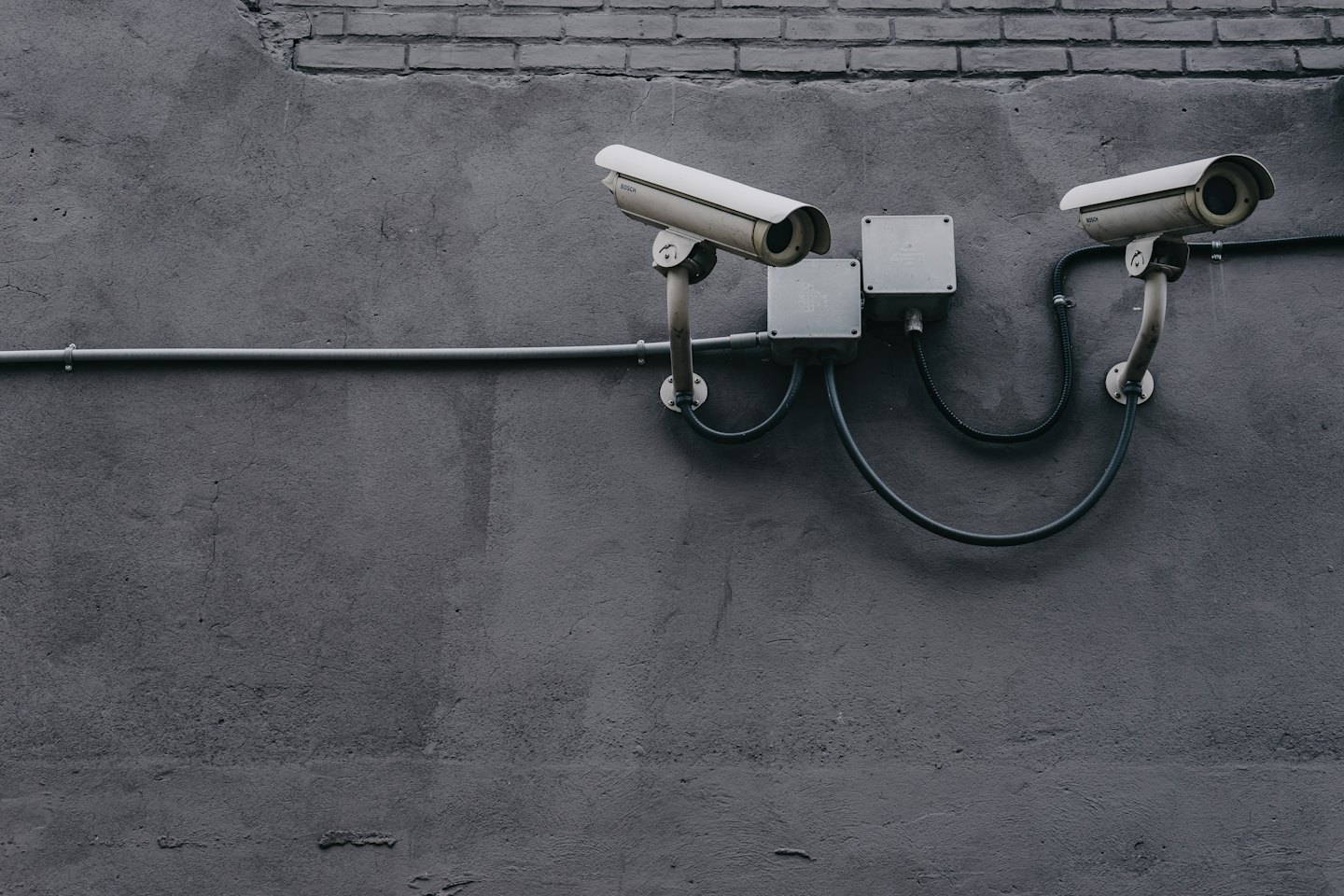
While the value of residential security teams is clear in high-risk or high-profile contexts, some may question their relevance in more routine domestic settings. Isn’t technology, alarms, cameras, smart locks—enough? The answer lies in nuance. Technology can detect, but it cannot interpret. It cannot de-escalate a situation, read behavioural cues, or adapt to evolving threats in real time. Residential teams offer precisely that: human intelligence, discretion, and judgement. Moreover, their presence can be calibrated—visible when needed, invisible when preferred. For clients concerned about lifestyle disruption or privacy, Hermanos designs embedded assurance models that integrate seamlessly, ensuring protection without intrusion. The insight here is simple: security isn’t just about defence it’s about confidence, continuity, and control. And that requires people.
Final thoughts…
Residential security is no longer a reactive measure—it’s a proactive strategy rooted in intelligence, discretion, and integration. From embedded teams to behavioural analysis and crisis planning, the presence of trained professionals transforms a household from vulnerable to resilient. The key takeaway is simple: protection isn’t just about preventing harm—it’s about enabling confidence, continuity, and control. Whether you’re a private client, NGO lead, or contractor abroad, consider how your current security posture reflects your values and vulnerabilities. Investing in residential assurance isn’t just smart—it’s strategic.
Leave a Reply
You must be logged in to post a comment.